Professional Office Cleaning: Step‑by‑Step Guide and Tips
This guide explains what professional office cleaning is, the step‑by‑step implementation process, safety rules, and how to choose the right service.
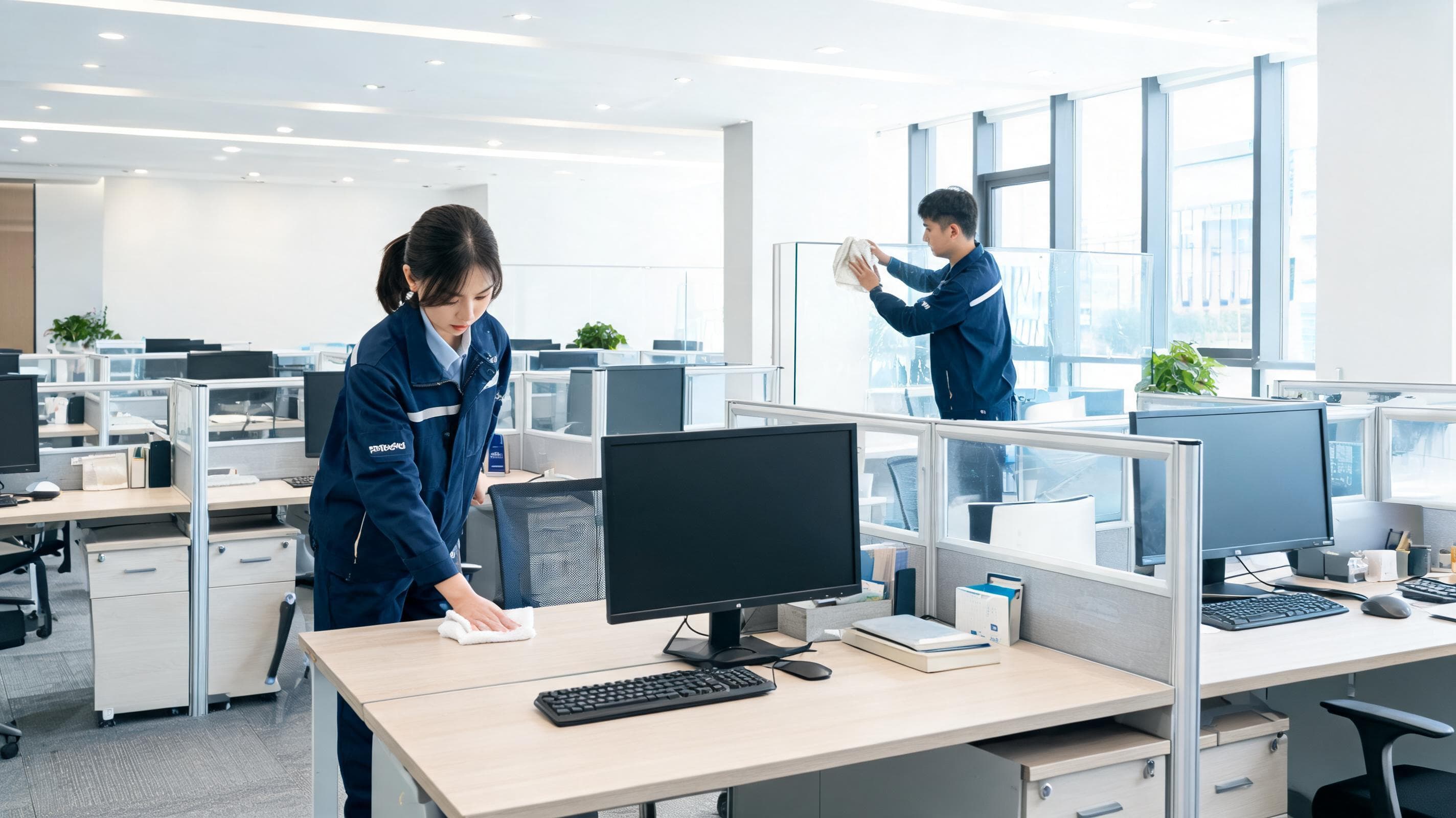
Professional office cleaning is a cleaning process carried out by specialists in a planned and systematic way to improve workplace hygiene, employee productivity, and client impressions. The process applies specific methods, eco‑friendly products, and quality control for each area.
What is professional office cleaning?
Importance of cleaning
A healthy office environment reduces disease spread by 30‑40% and boosts employee motivation. Studies show that employees working in a clean office have a 15% lower turnover rate.
Key principles
- Determining cleaning frequency suitable for the usage area;
- Choosing high‑performance, eco‑certified cleaning agents;
- Documenting and monitoring each step.
Step‑by‑step office cleaning process
Planning and preparation
1. Measure the office area (m²). On average, daily cleaning for a 100 m² office takes 3‑4 hours.
2. Create a cleaning schedule: distribute daily, weekly, monthly tasks.
Cleaning materials
- Eco‑friendly, biodegradable sprays and disinfectants;
- Microfiber cloths – dust‑capture efficiency increases by 70%;
- HEPA‑filtered vacuums – capture 99.97% of allergens.
Surface cleaning
Use alcohol‑free antibacterial sprays for desks, keyboards, and phones. Disinfecting every 2‑3 days significantly reduces the risk of virus spread.
Furniture and equipment
Wipe the underside of seats, walls, and glass surfaces with microfiber. A professional deep cleaning can be performed every 6 months.
Floor coverings
If the office has carpet, deep cleaning (steam) is required every two weeks. For hard floors, apply dry sweeping + polish.
Break areas
High disinfection standards must be applied to coffee areas, kitchens, and restrooms. Restocking toilet paper, soap, and hand‑washing stations should be monitored 24/7.
Control and quality
After each cleaning, a check‑list is completed. Monthly reports for management include cleaning time, product usage amount, and staff performance.
Safety and environmental rules
Choosing chemical agents
Cleaners must be ISO 9001 certified, low‑toxicity and biodegradable. Use the least possible of highly aggressive chemicals.
Ventilation
After each cleaning, ventilate the office with fresh air for at least 15 minutes. This prevents the spread of chemical residues.
Worker protection
Specialists must wear gloves, masks, and safety goggles. Training details are explained in the How Tapeks works section.
Choosing a professional cleaning service
Why Tapeks?
The Tapeks platform brings together licensed and insured specialists. With All services — book a trusted pro online you can select a suitable expert within minutes.
Service evaluation
- Price‑quality ratio – average 50 AZN/m²;
- Customer reviews – average rating 4.8/5;
- Speed – ability to start work within 24 hours.
DIY vs Professional: Results Table
| Factor | DIY (self‑service) | Professional (Tapeks) |
|---|---|---|
| Time | 4‑5 hours | 2‑3 hours |
| Material cost | ~30 AZN | ~15 AZN |
| Safety | Medium | High (certified products) |
| Quality | Medium | Professional standard |
In conclusion, professional office cleaning is not just about appearance; it is an investment in productivity, health, and long‑term cost savings.
Sık sorulan sorular
How long does professional office cleaning take?
In a medium‑size (100 m²) office, daily cleaning takes 2‑3 hours, while weekly deep cleaning takes 4‑5 hours.
What are the advantages of professional cleaning over DIY cleaning?
Professional service offers shorter time, certified products, safety, and higher quality. As shown in the table, time and material costs are more efficient.
Which eco‑friendly products should be preferred in cleaning?
Choose biodegradable, alcohol‑free, certified (ISO 9001) cleaners, HEPA‑filtered vacuums, and microfiber cloths.
How can I order a specialist from the Tapeks platform?
Visit the Tapeks website, select the office cleaning service from the “All services” section, set date and time, pay – a specialist arrives shortly.
What are the safety measures?
Specialists must wear gloves, masks, safety goggles, follow chemical instructions, and ensure proper ventilation after work.
Related posts

When to call an electrician? 7 dangerous signs
Flickering bulbs, sparking outlets — here are the signs that demand a professional, explained in detail. What can you safely fix yourself, and what must always go to a pro?

8 ways to lower moving day stress
From two weeks ahead to box counts, picking movers and insurance — how to plan moving day to the minute and avoid a 5,000 AZN damage bill.